Blog
Buying a Condo in Singapore: Warning Signs Buyers Shouldn't Ignore
Fendy Lee
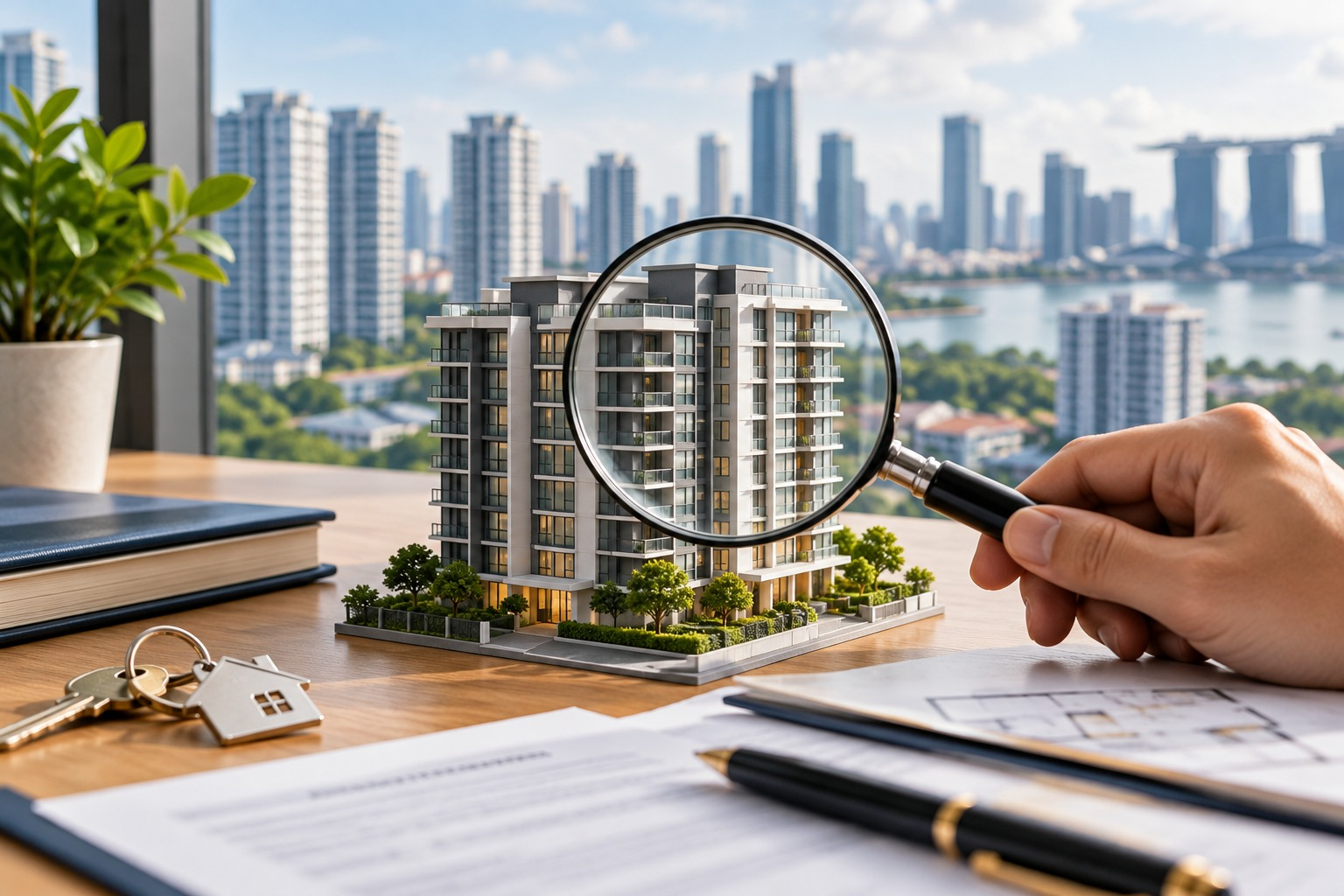
Buying a condo in Singapore is a major financial decision, and the wrong choice can lead to unexpected costs, costly repairs, or difficulties when selling later. A property that looks attractive during a viewing may have hidden defects, an overpriced asking price, a short remaining lease, or issues with the building's finances. Before making an offer, it's important to know what to check, which questions to ask, and when to seek professional advice. This guide covers the key warning signs buyers should look for when buying a condo in Singapore, from resale properties to new launches, so you can make a more informed decision.
What Are the Biggest Warning Signs When Buying a Condo in Singapore?
When buying a condo in Singapore, a low asking price or an attractive show flat doesn't always tell the full story. Some issues only become apparent after you examine recent transactions, inspect the property, or review the building's records. Before making an offer, pay attention to these six warning signs.
Asking Price Well Above Recent Sales
A condo priced significantly above comparable transactions deserves a closer look. You could end up overpaying, and the bank's valuation may come in below the agreed purchase price, leaving you to cover the difference in cash.
Compare recent transactions for units in the same development, taking into account floor level, size, facing, layout, and condition. Use the Urban Redevelopment Authority's (URA) property transaction data to understand what buyers have actually paid, rather than relying only on asking prices.
Low Sinking Fund, Rising Arrears, or Major Repairs
A condo's financial health can affect your expenses long after you move in. If the management corporation has limited reserves, outstanding maintenance contributions, or major repairs coming up, owners may face higher fees or additional contributions.
Ask to review the latest available management accounts and Annual General Meeting (AGM) minutes. Look for planned repairs, the condition of shared facilities, outstanding arrears and how upcoming work will be funded. A low sinking fund alone does not necessarily indicate a problem, but it deserves attention when significant repairs are expected.
Water Stains, Damp Patches, or a Musty Smell
Signs of moisture can point to leaks, poor ventilation, or other issues that need further investigation. Check ceilings, bathroom walls, window edges and areas beneath air-conditioning units for damp patches, peeling paint or discolouration.
Visit during daylight, when visible defects may be easier to spot. If you notice persistent dampness, unexplained stains, or recurring leaks, ask about the cause and arrange a qualified inspection before committing to the purchase.
Show Flat Looks Better Than the Contract Says
For a new launch condo, the show flat is designed to present the unit attractively. Furniture, lighting, finishes, and decorative features may differ from what is included in the actual property.
Compare the show flat with the floor plan and the specifications in the Sale and Purchase Agreement. Check room dimensions, fittings, flooring, appliances, and any advertised features you expect to receive. If something is unclear, ask the developer's sales team for written confirmation rather than relying on a verbal promise.
Short Remaining Lease
A condo's remaining lease can affect financing, CPF usage, and its appeal to future buyers. This is particularly important when considering an older leasehold development or a property you intend to hold for many years.
Check the remaining lease and consider how long you plan to live in the property. Before making an offer, confirm the applicable CPF usage rules and loan conditions with the CPF Board and your bank. Do not assume that every buyer or property will be subject to identical restrictions.
Pressure to Sign Quickly
Pressure to make a decision before you have completed your checks is another warning sign. Even if a unit attracts strong interest, you should understand the purchase terms and financial commitments before proceeding.
Read the Option to Purchase (OTP) carefully, paying attention to the option fee, expiry date, and conditions. Make sure your financing arrangements are realistic, clarify any verbal promises in writing, and consult a property lawyer if you are unsure about the terms.
We'll start with the asking price, since paying more than a property is worth can affect both your upfront cash requirements and your long-term financial plans.
Is the Asking Price Higher Than Recent Transactions?
If a condo is priced well above similar recent sales, check whether the asking price is justified before making an offer.
Compare units in the same development, considering size, floor level, facing, layout, and condition. Use URA's official transaction data to understand what buyers have actually paid. An advertised discount does not necessarily mean you're getting a good deal if the original asking price was too high. For a resale condo, the bank's valuation also matters. If the agreed purchase price exceeds the valuation, you may need to pay the difference in cash. Ask your bank about financing before committing.
A knowledgeable property professional can help you assess comparable sales and negotiate with confidence. When choosing a top-rated real estate agent in Singapore, look for someone who explains market prices clearly and bases recommendations on relevant transaction data. The goal is to pay a fair price based on the property's actual value, not simply to secure a discount.
Do the Condo's Finances Raise Any Concerns?
Yes, if the reserves are thin, big repairs are overdue, or many owners aren't paying their fees. When you're buying a condo in Singapore, you also join the Management Corporation Strata Title (MCST), the owners' body that runs the building. Its money habits become yours.
Look at three things:
- Reserves and spending: the latest MCST accounts and how much is set aside for future repairs.
- Planned major works: repainting, roof repairs or lift upgrades, and how owners will pay for them.
- Arrears and levies: how many owners are behind on contributions, and whether a special levy (a one-off charge on owners) has been passed or proposed.
A low condo sinking fund isn't proof of trouble. A young development may simply not have saved much yet. An older one with a thin fund and big works ahead is a different story. The number only means something next to the building's age and repair plans.
Ask the seller or their agent to request the latest accounts and AGM minutes. What you can see and when can vary by MCST, so ask early. For a closer look at how fees and reserves work, read our guide to condo maintenance fees.
Are There Problems With the Unit or Building?
Some property issues are easy to spot, while others become noticeable only during a closer inspection or at different times of day. Before buying a condo in Singapore, check for signs of damage, poor maintenance, and potential repair costs.
Warning Signs When Viewing a Resale Condo in Singapore
During your viewing, check for:
- Water stains, peeling paint, or damp patches near ceilings, windows, and bathrooms.
- Musty smells or poor ventilation.
- Wide, spreading, or diagonal cracks may need professional assessment.
- Excessive noise from roads, lifts, neighbours, or nearby construction.
- Poorly maintained lifts, corridors, car parks, or shared facilities.
Minor cosmetic issues, such as scuffed paint or old tiles, may provide room for negotiation. However, recurring leaks, widening cracks, and loose or hollow-sounding tiles deserve closer investigation. Consider hiring a qualified inspector before proceeding with the purchase.
If possible, visit the condo more than once. Morning sunlight, evening traffic, and weekend noise can reveal issues you might miss during a single viewing.
Does the Show Flat Match the Actual Unit?
Often, not exactly. Show flats are styled to sell, with clever furniture, soft lighting and sometimes upgraded finishes. What you're buying is described in the contract's specifications and floor plan, not in the showroom. Take a condo viewing checklist with you and compare the sample with the paperwork: room sizes, ceiling heights, fittings, flooring, appliances, and what's included. If a feature appears in the show flat but not in the specifications, ask whether it comes with your unit. Then get the answer in writing.
Is the Condo's Age or Remaining Lease a Concern?
Yes. A condo's age and remaining lease can affect financing, CPF usage, and future resale potential. A shorter lease may limit your financing options and reduce the number of potential buyers.
Before buying, check the remaining lease against how long you plan to stay. Confirm the applicable CPF usage rules with the CPF Board and discuss loan eligibility and tenure with your bank. The rules depend on the property's remaining lease and the buyer's circumstances, so verify your eligibility before committing.
Older condos can offer spacious layouts, but they may also require more maintenance and major repairs. Review the Management Corporation Strata Title (MCST) maintenance plans and upcoming repair costs before making a decision.
Also, avoid buying an older condo solely because you expect an en bloc sale, which is the collective sale of an entire development. Such sales are never guaranteed, so consider the property's current value, condition, and suitability for your needs rather than relying on a possible future payout.
What Should You Check Before Buying a New Launch Condo?
Check who's building it, what the contract actually promises, and when you can really get the keys. With a project that isn't built yet, buying a condo in Singapore means paying for something you can't touch. That makes the paperwork matter more than the showroom.
A new launch condo in Singapore usually comes with a polished show flat and a confident sales pitch. Here's what to check behind it:
- Developer track record: look at completed projects. Were they delivered on time, and how do residents rate the build quality and after-sales service?
- Contract specifications: The Sale and Purchase Agreement lists the materials and fittings. The show flat is only a sample. The contract is what binds the developer.
- Payment schedule: payments are usually made in stages tied to construction progress. Map out when each one falls due, especially if you're still paying a loan on your current home.
- Completion dates: brochures talk about the expected TOP date. TOP stands for Temporary Occupation Permit, the approval that says the building is safe to occupy. Your contract sets a separate date for delivery of vacant possession, and that's the date that counts. If the developer is late, you may be entitled to late completion interest, but not every delay qualifies, and terms vary, so ask your lawyer to explain yours.
- Defects: The defects liability period is usually 12 months from the date you receive vacant possession. Check the exact start date in your contract, inspect carefully, and report defects in writing within that window.
Your remedies come from your contract and the law, not from the brochure.
Can You Afford the Full Cost of Buying?
Only if the numbers still work after every cost is counted, not just the price. The price is the biggest line in a longer list.
Upfront, you'll need cash for part of the down payment (with a bank loan on a first property, at least 5% of the price must be in cash), Buyer's Stamp Duty, legal fees, and valuation fees. Stamp duty is generally due within 14 days of exercising the option. If you still own another property, such as your HDB flat, Additional Buyer's Stamp Duty may apply as well. Use IRAS's official calculator instead of guessing, since rates can change.
After the keys come monthly maintenance fees, renovation, furniture, and repairs. Then check your loan against the Total Debt Servicing Ratio (TDSR). This is MAS's rule that caps your total monthly debt payments, including the new mortgage, at 55% of your gross monthly income. Get an in-principle approval from a bank before you pay the option fee, so a financing problem doesn't cost you money.
Are There Warning Signs in the Buying Process?
Yes, and pressure is the biggest one. Good units do sell fast, and that's exactly why even careful people rush when buying a condo in Singapore.
Watch for these:
- Pressure to sign before you've read the documents or arranged financing
- Verbal promises, such as "the seller will leave the aircon", that don't appear in writing
- Unclear option fees, expiry dates, or conditions. The option fee is usually around 1% of the price, and the option period is often 14 to 21 days, but the exact terms are in your Option to Purchase. If you don't exercise the option in time, you typically forfeit the fee.
- Advice to skip a lawyer or a technical inspection to "save time"
Then look at the person advising you. A Rightsizing property agent in Singapore shouldn't be judged by stars and reviews alone. Check the agent's name and registration number on the CEA public register, ask how they're paid, and see whether they explain risks as clearly as they explain benefits. Fendy Lee's CEA registration number, R018080J, is listed on his website, and you can look up any agent the same way.
When Should You Walk Away From a Condo Purchase?
Pause or walk away when a serious problem stays unresolved, the numbers don't work, or you can't verify something that matters. Minor issues with a clear fix are a reason to ask questions, not to leave.
| Consider pausing or walking away | Ask for more information |
|---|---|
| Leaks or cracks that the seller can't explain or won't have inspected | Minor defects with a clear repair quote |
| Key documents the seller refuses to share | Documents that are simply slow to arrive |
| Your loan or TDSR doesn't work | A loan approval that's still pending |
| Contract terms stay unclear even after legal advice | Terms you haven't had explained yet |
The right call depends on the evidence, your contract, and professional advice. Slowing down costs you a few days. Rushing can cost you far more.
Final Thoughts on Buying a Condo in Singapore
Buying a home isn't about finding zero risk. It's about finding the risks before they find you. Compare the price, inspect the unit, read the building's finances, check the lease, and run your own numbers before you sign anything.
If you'd like a second pair of eyes, Fendy Lee is happy to go through your plans with you, whether you're upgrading, downsizing, or still comparing options. Need a property upgrading consultant in Singapore to work out what you can afford? Have a look at the HDB to Condo Upgrade Agent service or send a WhatsApp message to 9388 5825. No pressure, just a clear conversation about your next move.
Frequently Asked Questions
1. Is it safe to buy a condo with a low sinking fund?
It can be, but look at the full picture. A young condo may have a small fund simply because it hasn't had time to build one. Check the building's age, upcoming major works and arrears. A low fund combined with big repairs ahead is a combination to question.
2. Should I buy from a developer with delayed projects?
A past delay isn't an automatic no, but it deserves questions. Find out why it happened, how long it lasted, and how buyers were treated. Then read your contract's vacant possession date and delay terms with a lawyer before you commit.
3. Can I back out after paying the option fee?
Usually, you can walk away before exercising the option, but you'll typically lose the option fee, often around 1% of the price. Once you exercise the option, the sale becomes binding. The exact terms are in your Option to Purchase, so read it carefully.
4. What is a valuation shortfall on a condo?
It's the gap between the price you agree on and the lower value a bank's valuer assigns. Banks lend based on the lower figure, so you usually cover the difference in cash on top of your normal down payment.
5. Are older condos riskier than new ones?
Not always. Older condos can offer good value and space, but they may need bigger repairs, and a short remaining lease can limit loans and CPF use. Check the lease, the building's condition, and the MCST's repair plans rather than judging by age alone.
6. Should I hire a property agent when buying a condo in Singapore?
You don't have to, but a good agent can stop you from missing important checks. Choose someone registered with CEA, ask how they're paid, and expect clear advice on price, financing and contracts, not pressure to sign.