Blog
Buying a Freehold Condo in Singapore: What Buyers Should Know
Fendy Lee
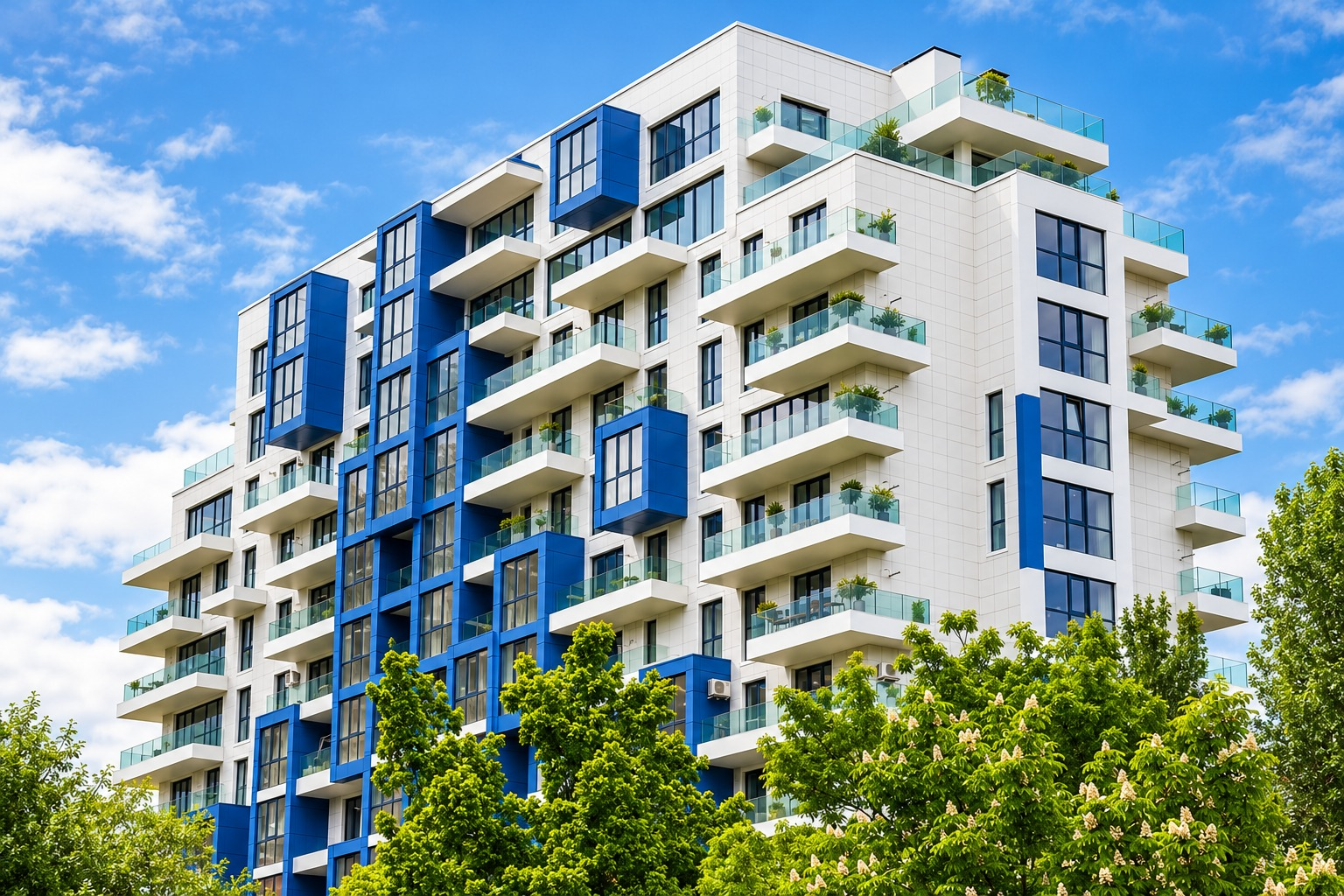
Buying a freehold condo in Singapore makes sense when you plan to hold for a long time, can afford the higher price without strain, and pick a project that keeps its resale demand. If you expect to sell within a few years, or you're buying mainly for rental income, a 99-year leasehold condo usually works out better.
Freehold means you own the land and the building with no end date. A 99-year leasehold condo goes back to the state when the lease runs out. That one difference creates the price gap. This article puts real numbers on that gap, on the costs around it, and on the places where freehold falls short.
If you're upgrading, downsizing, or looking for a home that fits your life better, tenure is only one piece of the decision. A rightsizing property agent in Singapore will look at your age, cash, CPF balance, and plans together. Then they'll tell you whether freehold suits you or whether the premium is better spent elsewhere.
Is a Freehold Condo Worth the Extra Price?
Yes, in three situations. You hold the home for 20 years or more, you want to leave it to your family, or the project sits in an area where freehold homes are scarce, and buyers keep asking for them. It's not worth it when the premium stretches your budget or when you're after a quick gain.
When freehold fits your plan
| Your plan | Does freehold fit? | Why |
|---|---|---|
| Hold 20+ years or pass the home on | Yes | No lease clock, and no lease-based CPF or loan limits for the next buyer |
| Live in it long term | Yes, if the budget allows | You never face a short-lease problem in retirement |
| Sell in 5 to 10 years | Compare first | A lower entry price leaves less to recover at resale, so run the numbers on both |
| Buy to rent out | Usually no | The higher price isn't matched by a higher rent, so yield drops |
| Tight cash or loan room | No | The extra price needs a bigger down payment and loan under the 55% debt-to-income cap |
Freehold vs 99-Year Leasehold: The Real Differences
Property tenure affects how long your ownership rights last, but it is only one factor to consider when buying a condo in Singapore. A freehold property has no fixed lease expiry date, while a 99-year leasehold property comes with a defined lease period. When that lease expires, the property rights generally revert to the state, subject to the applicable laws and terms.
For leasehold condos, the remaining lease matters just as much as the original lease term. The lease usually begins on the commencement date specified in the land title or lease documents, which may be years before a buyer receives the keys to a newly completed condo. This is why checking the remaining lease is important, particularly when comparing older resale developments.
A 999-year leasehold property is often viewed as similar to freehold in terms of its exceptionally long tenure. However, the two are not legally identical, and their prices can vary depending on location, development quality, demand, and other property-specific factors.
Supply also matters. Many government-released residential sites in Singapore have 99-year leases, while freehold condos are often built on privately held land. However, limited supply does not guarantee better resale value or capital appreciation. For buyers buying a freehold condo in Singapore, the practical question is whether the additional cost makes sense for their budget, intended holding period, and long-term property plans.
Key Benefits of a Freehold Condo (and Where They Fall Short)
Freehold has real strengths. Each one comes with a limit, so look at both sides.
No Lease Decay Worry
Buyers pay less for a short lease because fewer of them can use CPF and loans on it. A freehold condo avoids that problem for good. The limit is timing. Lease decay bites slowly on a young leasehold condo, so if you plan to sell within ten years, you will avoid very little. The exact CPF and loan rules are covered in the financing section below.
Long Holding and Legacy Plans
You can keep a freehold home for life and pass it on without a lease running down. But this benefit only counts if you hold long. Sell after six years, and you paid for something you never used.
Resale Value
Buyers who worry about lease length pay more for freehold, and the fixed supply backs that up. The gap has narrowed, though. In some recent data sets the island-wide gap is small, while in Districts 9, 10 and 11, freehold units still trade well above 99-year units. A freehold label alone won't protect your price. Location, unit size, and the condition of the building matter just as much.
Rental Yield
Gross rental yield is the yearly rent divided by the price. Tenants pay for location, size, and condition, not tenure. So, a higher price at the same rent results in a lower yield. Say a unit rents for $5,000 a month, which is $60,000 a year. At $2,000,000, the gross yield is 3.0%. At $2,300,000, it falls to about 2.6%. If rental income is your goal, freehold usually works against you.
How Much More Does a Freehold Condo Cost?
The price difference between freehold and leasehold condos is not fixed. Freehold properties may command a premium, but the amount depends on factors such as location, development age, unit size, facilities, and market demand. Rather than relying on a general percentage, compare properties in the same area with similar features and check their price per square foot and recent transaction prices.
The premium also affects your upfront costs and potential mortgage. The table below illustrates how a 10%, 15%, or 20% price premium would change the purchase price, assuming a comparable 99-year leasehold condo costs $2 million. These figures are hypothetical, not a prediction of market prices.
What a freehold premium adds (hypothetical leasehold base price of $2,000,000)
| Premium | Freehold price | Extra price | Extra BSD | Extra down payment (25%) | Extra loan (75%) |
|---|---|---|---|---|---|
| 10% | $2,200,000 | $200,000 | $10,000 | $50,000 | $150,000 |
| 15% | $2,300,000 | $300,000 | $15,000 | $75,000 | $225,000 |
| 20% | $2,400,000 | $400,000 | $20,000 | $100,000 | $300,000 |
The additional Buyer's Stamp Duty (BSD) shown is calculated at 5% of the extra price, as the additional amount falls within the applicable 5% marginal BSD band. BSD is calculated progressively, based on the purchase price or market value, whichever is higher. The down payment and loan figures assume the buyer qualifies for a 75% loan-to-value limit and uses the full available loan amount. Actual financing may differ.
Before paying a premium, consider what the additional cost means for your long-term plans. For example, a 15% premium adds $300,000 to the purchase price, plus $15,000 in BSD under these assumptions. Decide whether the benefit of owning a property without a fixed lease expiry justifies the extra cost for your intended holding period, budget, and resale plans.
Lease Decay, CPF Eligibility and Bank Financing
Lease decay refers to the potential loss of value as a leasehold condo's remaining lease gets shorter. It can also affect CPF usage and mortgage financing.
CPF. Since May 2019, CPF usage depends partly on whether the remaining lease can cover the youngest buyer until age 95. If it can, eligible buyers can generally use CPF savings up to the applicable Valuation Limit. If not, the amount may be reduced proportionately. CPF savings cannot be used to purchase a property with 20 years or less remaining on its lease. For example, a 50-year-old buying a condo with 40 years left would reach age 90 when the lease ends, so CPF usage may be restricted.
Bank financing. A shorter remaining lease can affect loan eligibility and tenure, potentially limiting the number of buyers who can finance the property.
Buying a freehold condo in Singapore avoids a fixed lease expiry, but affordability rules still apply. For a first housing loan from a financial institution, the maximum loan-to-value limit is generally 75%, subject to the applicable conditions. Buyers must meet the required downpayment, including at least 5% in cash. The Total Debt Servicing Ratio (TDSR) generally limits monthly debt obligations to 55% of gross monthly income. Longer loan tenures or loans extending beyond age 65 can trigger a lower loan-to-value limit. Check your eligibility with a bank and obtain an in-principle approval before committing to a purchase.
Where to Find Freehold Condos in Singapore
Freehold homes cluster in the central parts of the island. Districts 9 (Orchard and River Valley), 10 (Bukit Timah and Holland), 11 (Newton and Novena), and 15 (East Coast and Katong) all have a large share of freehold projects. Treat them as starting points for your research, not as a ranking.
Most freehold stock is resale. New freehold launches are rare and come mainly from private land, including en bloc sites. If a new freehold launch is on your list, a New launch condo agent in Singapore can brief you on pricing, unit mix, payment stages, and the completion timeline before you spend a Saturday at a showroom. For resale units, compare recent transactions in the same project and nearby ones by price per square foot.
Risks of Buying an Older Freehold Condo
The main risk in buying a freehold condo in Singapore that's 30 or 40 years old is the building, not the land. The land lasts. Lifts, pipes, waterproofing, roofs and façades don't. Check four things before you commit:
- The maintenance fund. Read the management corporation's accounts, the sinking fund balance and any planned major works. Owners share the cost of big repairs, and a thin fund means a special levy.
- The unit. Older units often have generous layouts, but they come with dated finishes. Get renovation quotes before you make an offer.
- The valuation. The bank lends on the lower of the price or the valuation. If the valuation comes in under your price, you cover the gap in cash.
- The exit. Freehold helps resale, but an ageing building with tired facilities still sells more slowly than a well-kept one.
En Bloc Potential: What Buyers Need to Understand
En bloc, or collective sale, means the owners sell the whole development to a developer. Today, it needs consent from owners holding at least 80% of both share value and strata area for developments aged 10 years or more, and 90% for younger ones.
Parliament passed changes to the Land Titles (Strata) Act on 8 September 2026. They take effect on a date still to be set. Once in force, the threshold drops to 70% for developments aged 40 to 59 years and 65% for those aged 60 or older. Younger developments keep 80% and 90%. The changes also raise the support needed to start a sale attempt to 35%, cut the signature period from 12 months to six, and extend the wait after a failed attempt from two years to three.
Freehold matters here for a simple reason. Developers who redevelop leasehold land must pay to top up the lease, and freehold sites skip that cost. That makes freehold sites more attractive to them.
Even so, en bloc isn't a plan. Owners have to agree on price and terms, and developers have to see a profit. Several condos have gone back to market more than once. Price your unit as a home and treat any en bloc payout as a bonus.
BSD, ABSD and Other Costs Before You Buy
The total cost of buying a freehold condo in Singapore goes well beyond the price tag. Start with Buyer's Stamp Duty (BSD), charged on the higher of the price or market value, in bands:
- First $180,000: 1%
- Next $180,000: 2%
- Next $640,000: 3%
- Next $500,000: 4%
- Next $1,500,000: 5%
- Above $3,000,000: 6%
On a $2,000,000 condo, BSD comes to $69,600.
Additional Buyer's Stamp Duty (ABSD) sits on top, based on your residency and how many homes you own:
- Singapore citizens: 0% on the first home, 20% on the second, 30% on the third, and beyond
- Permanent residents: 5% on the first, 30% on the second, 35% on the third, and beyond
- Foreigners: 60% on any residential property
- Entities: 65%
Foreigners can buy condo units, while landed homes need government approval. The 60% ABSD makes the cost steep. If you buy before selling your current home, ask IRAS about the ABSD remission for buyers who sell within a set period. Conditions apply.
Add legal fees, bank valuation fees and renovation to your budget. If you sell within four years of buying a home purchased on or after 4 July 2025, Seller's Stamp Duty applies at up to 16%. These rates are correct as of October 2026, but the government changes them from time to time, so confirm them on the IRAS website before you sign.
Who Should Buy a Freehold Condo?
Freehold suits long-term owners who value certainty and can pay the premium without stretching. It suits families who plan to pass a home on. It also suits buyers in areas where freehold stock is scarce. It suits fewer investors because buying for rent or a fast resale works against the premium.
Buyer Checklist
Before buying a freehold condo in Singapore, run through this list:
- You plan to hold for many years or pass the home on.
- The full cost, including BSD and ABSD, fits your budget with a cash buffer left after the down payment.
- Your loan stays under the 55% debt-to-income cap.
- You've compared the price per square foot with nearby leasehold projects.
- Your lawyer has confirmed the tenure against the land title.
- You've read the maintenance accounts, sinking fund and planned works.
- You know your ABSD position before you make an offer.
- You're not paying extra for en bloc hopes.
Conclusion
Pay the freehold premium when you'll hold for the long term, the price gap leaves your cash and loan comfortable, and the building is well kept. Skip it when you're buying to rent, plan to sell soon, or need the premium to make the numbers work. Compare price per square foot with nearby leasehold projects, check the financing and stamp duty costs first, and treat en bloc as a bonus.
Fendy Lee, Senior Chief District Director at Huttons Asia, has spent close to two decades helping Singaporeans buy, sell and invest in property. If you want a professional real estate agent in Singapore to run the numbers on your freehold shortlist before you commit, WhatsApp Fendy Lee on +65 9388 5825 for a short, no-obligation chat.
FAQs
1. Is a 999-year leasehold condo the same as freehold?
No. A 999-year leasehold has a fixed tenure, while freehold ownership has no fixed lease expiry. Always verify the property's tenure before buying.
2. How can I confirm if a condo is freehold?
Check the sale documents and ask your conveyancing lawyer to verify the tenure against the land title.
3. Do freehold condos have higher maintenance fees?
Not always. Fees depend on the facilities, building condition, unit share value and maintenance requirements, not just tenure.
4. Is a new freehold condo better than a resale unit?
Not necessarily. New condos offer newer facilities, while resale units let you inspect the property and its existing condition before buying.
5. Does tenure matter if I plan to sell in ten years?
Yes, it can affect resale appeal, but freehold does not guarantee better returns. Compare location, purchase price, and expected market demand.
6. Do freehold condos have different property tax rates?
No. Singapore property tax depends on the property's Annual Value and applicable tax rates, not whether it is freehold or leasehold.
7. Is freehold safer for buyers in their late 50s?
Freehold avoids a fixed lease expiry, but loan eligibility still depends on your age, income, loan tenure and financial circumstances.