Blog
How a Landed Property Agent Helps You Avoid Upgrading Traps
6 October 2026
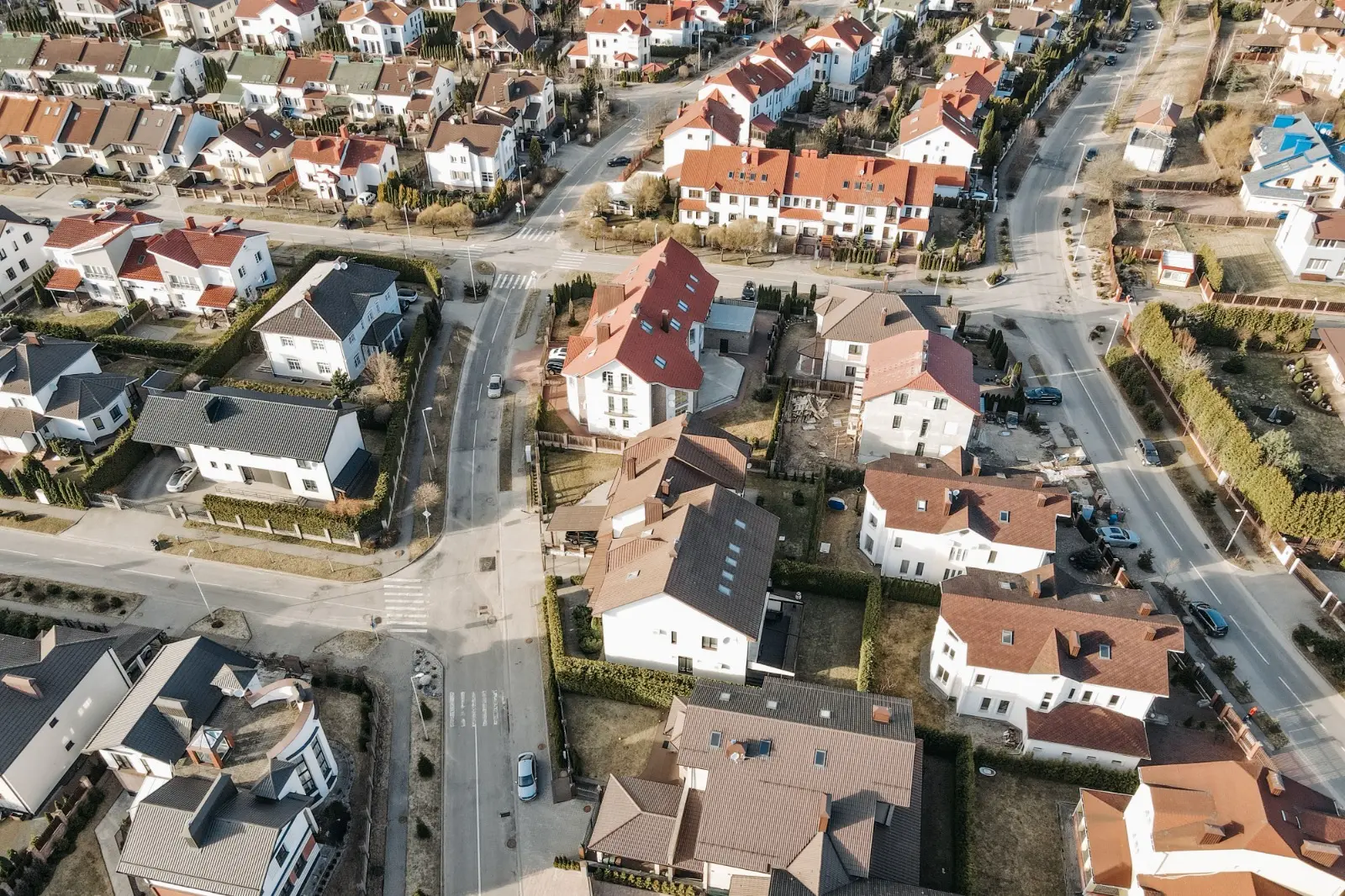
Moving from a condo to a landed home feels like the next big step. It's also the step where many upgraders lose money. A landed property agent Singapore families rely on will tell you the house is rarely the problem. The order of your steps is.
The timing looks tempting. URA's flash estimate for Q3 2026 (preliminary) shows landed prices up 2.8%. Landed prices also rose 7.6% across 2025. So more condo owners are asking, "Is it my turn?"
Maybe. But landed moves slower than a condo. The rules are tighter. One wrong step can cost you hundreds of thousands of dollars. Here are 7 traps that catch upgraders, and how to avoid each one.
Yes, you can upgrade from a condo to landed if you're allowed to buy and the numbers work. The danger is the order of the steps. Most costly mistakes come from ABSD timing, loan limits, and skipped checks. They don't come from the house.
Why landed isn't a Bigger Condo
A condo has many similar units. You compare prices per square foot and get a rough answer. Landed doesn't work that way. Each house sits on its own plot. Land size, frontage, road width, and direction all change the price. Two houses on one street can sell for very different amounts.
The buyer pool is small too. Fewer people can buy landed. Fewer still want your exact house. So a landed sale often takes months, not weeks. Keep that in mind as you read the traps.
Trap 1: Falling for a house before you know you can buy it
Not everyone can buy a landed house here. The rules come from the Residential Property Act. The Singapore Land Authority (SLA) runs the approval process.
- Singapore Citizens can buy.
- Singapore PRs need SLA approval. For landed homes, the law treats PRs like foreigners.
- Foreigners need SLA approval too.
SLA decides each case on its own. It approves selected buyers who make a significant economic contribution to Singapore. Sentosa Cove needs approval as well.
Cluster houses depend on the project. If a cluster house sits inside an approved condominium development, PRs and foreigners can buy it without SLA approval. If it doesn't, they need approval like any other landed house.
How to avoid it: Check your eligibility first. Then view houses. It saves weeks of time and a lot of disappointment.
Trap 2: Buying first with no ABSD plan
ABSD stands for Additional Buyer's Stamp Duty. It's a tax on top of normal stamp duty. If you still own your condo, your landed home counts as your second property. For a Singapore Citizen, that means:
- Second property: 20% ABSD
- Third property and beyond: 30%
Say you buy a $3 million landed house. That's $600,000 in ABSD, paid in cash when you buy.
You can get it back, but only if you meet every condition. For a married couple with at least one Singapore Citizen, IRAS sets these rules:
- You buy the new home in both your names only.
- You sell your first home within 6 months of buying the new one (for a completed property).
- You stay married and buy no other home in that time.
- You apply for the refund within 6 months after the sale. IRAS doesn't extend this deadline.
Miss one condition, and you keep the bill. A landed home still under construction follows a different date, so ask before you sign.
How to avoid it: Decide before you buy whether you'll sell first or buy first. If you're not sure you can sell in time, don't gamble with a six-figure tax.
Trap 3: Selling your condo with no plan for the gap
Selling first is safer for taxes. You know your cash. You carry no second loan. But there's a catch. If you sell first and can't find the right house, you need somewhere to live. A fixed move-out date can also push you to buy in a rush. A landed search takes time. The right house on the right plot doesn't come up every week.
Check one more thing before you list: how long you've owned your condo. If you sell within the first few years, Seller's Stamp Duty can apply.
If you live in an HDB flat, you can't buy private property until your minimum occupation period ends. That's usually five years. Many people go from HDB to condo first, then to landed.
How to avoid it: Plan a place to stay and a move-out date with room to spare. Never let a deadline make you buy or sell at a discount.
Trap 4: Ignoring your loan and cash limits
Landed prices are high. So your loan limit, not your wish list, often decides what you can buy.
Banks can't let your total monthly debts go above 55% of your monthly income. MAS sets this rule. It's called TDSR. Your car loan and credit card payments count too.
The loan is only part of the cost. You also need cash for ABSD if you buy first. Add stamp duty, legal fees, and any renovations. Part of the price must be paid in cash, and your CPF can't cover everything.
How to avoid it: Work out your loan limit and your cash before you view a single house. My free Sell 1 Buy 2 Planner shows what a sale would put in your pocket after your loan and CPF are repaid. It also shows how much each of you could borrow.
Trap 5: Pricing landed like a condo
Headline prices tell you very little. A corner terrace can sell closer to a semi-detached price. Land size, frontage, road width and recent sales next door all matter.
Watch for cash over valuation too. The bank values the house. If that value is lower than the price you agreed, you usually pay the gap in cash. When landed prices are rising, that gap can grow.
How to avoid it: Ask for a price range you can defend. Build it from land area, frontage, road width and nearby sales. Don't rely on one number from a headline.
Trap 6: Skipping title and rebuild checks
Some problems don't show up at a viewing. Check these before you exercise the option:
- Tenure: freehold or leasehold
- Plot size and shape
- Road line and drainage reserves
- Anything built over the boundary
- Approval for past extensions
- Conservation or landed housing area rules
Older houses may have extensions that were never approved. Rebuild rules depend on your plot, so check URA guidelines before you plan to knock anything down. Land size and frontage often matter more than the built-up area.
How to avoid it: Run the checks before you sign, not after. A problem found early is a negotiation. A problem found late is your cost.
Trap 7: Not planning for daily life
Landed doesn't come with a management fee. That sounds nice, but you pay for upkeep yourself. Repairs, cleaning, pest control, and the garden all add up. Many owners spend weekends just keeping the house clean.
Check these too:
- Pests. Landed homes tend to face more of them.
- Narrow roads. Visit on different days and times. Roads near places of worship can jam on busy days.
- Security. Some landed streets are quiet and secluded.
- Stairs. Older family members may struggle in a multi-storey house. A one- or two-storey home may suit them better.
How to avoid it: Visit at night, on a weekend and on a rainy day. Ask the neighbours what they wish they'd known.
Sell first or buy first?
There's no single right answer. It depends on your cash, your loan room and how flexible your move date is.
| Features | Sell first | Buy first |
|---|---|---|
| Cash and loan | You know exactly how much cash you have | You may carry two loans until the sale closes |
| ABSD | None, if you own no other home when you buy | 20% upfront for a citizen's second home, refunded only if you meet every condition |
| Main risk | You may need temporary housing, and a fixed move-out date can rush your search | You must sell within 6 months, or you keep the ABSD bill |
| Best for | Buyers who want less debt and less tax risk | Buyers with strong cash who want time to find the right house |
Is Landed right for you?
Landed isn't for everyone, and not for everyone right now. You may want to wait if:
- Your loan limit sits well below the houses you like.
- Your condo sale would leave you with little cash.
- You'd have to buy first, but you can't carry the ABSD risk.
- You're not sure you want the upkeep.
Sometimes the best move is a smaller home, not a bigger one. My page on rightsizing property agent in Singapore services explains that plan.
If you're unsure, talk to a landed property agent Singapore homeowners can speak to straight. A good one will tell you "not yet" when that's the honest answer.
How a landed agent helps you avoid these traps
A landed property agent Singapore buyers can trust won't start with listings. They start with a plan. Here's how that plan covers the traps above.
| Step | What happens | Traps it covers |
|---|---|---|
| 1. Eligibility and title check | We confirm you can buy. Then we check tenure, plot size and any limits. | 1 and 6 |
| 2. An honest price range | You get a range built from land size, frontage, road width and nearby sales. | 5 |
| 3. One plan for the sale and the purchase | The timing, the cash and the loan move together. | 2, 3 and 4 |
| 4. Viewings worth your time | You see houses that fit your budget and your eligibility. | 7 |
| 5. Negotiation through to completion | We stay with you through price talks and the legal steps. | All of them |
I start with your eligibility, your numbers, and your timeline. Then we look at houses. You get me, not a junior. My team of 340 handles the execution, so you get senior advice with a full division behind you.
This is also where a good property upgrading consultant in Singapore earns their fee. They keep the sale, the purchase, and the loan in step. You can read more about Fendy on the About page. He's a top-rated real estate agent in Singapore with a 5.0 Google rating.
10 Questions to Answer Before You View Any Landed House
- Am I allowed to buy this house (citizen, PR, or SLA approval)?
- Will I sell first or buy first, and why?
- If I buy first, can I sell within 6 months and meet every IRAS condition?
- What's my loan limit under the 55% debt rule?
- How much cash do I need after stamp duty, legal fees, and renovation?
- How long have I owned my condo, and does Seller's Stamp Duty apply?
- What's a fair price range for this plot, not just this house?
- What are the tenure, road line, drainage reserve, and extension approvals?
- What can I rebuild on this plot under URA rules?
- Can I live with the upkeep, the roads, and the stairs?
Bring this list to your first chat with Fendy, and go through it together.
Ready to plan your move?
Landed is a big step, and a good one when the plan comes first. Start with eligibility. Then your numbers. Then your timeline. Then houses.
Looking for a landed property agent in Singapore that homeowners can talk to without pressure? Message Fendy on WhatsApp or call 9388 5825. If landed isn't right for you yet, he'll tell you straight. No pressure, no obligation.
FAQs
1. Can a condo owner upgrade straight to landed?
Yes, if you're allowed to buy and the numbers work. The catch is usually the order of steps and the loan. Many buyers need their condo sale money to pay for the house. So plan the sale and the purchase on one timeline.
2. How much ABSD do I pay on landed property?
It depends on who you are and what you own. A Singapore Citizen pays 20% on a second home and 30% on a third. A PR pays 5% on a first, 30% on a second and 35% on a third. A foreigner pays 60%. Check IRAS for the latest rates.
3. Can PRs buy landed property in Singapore?
Not freely. SLA must approve each PR case by case. It approves selected applicants who make a significant economic contribution to Singapore. Cluster houses inside an approved condominium development don't need SLA approval. Check the project first.
4. How do I choose a landed property agent Singapore buyers can trust?
Ask what they check before viewings. A good answer covers eligibility, your loan limit and one plan for selling and buying. Ask how many landed deals they've handled. Be careful of anyone who starts with listings or never says "not yet."
5. How long does a landed sale take?
Longer than a condo sale. The buyer pool is small, so plan for months, not weeks. A fair price and good marketing help. But don't let a fixed deadline push you into a discount.
6. Should I sell first or buy first?
There's no single right answer. Selling first is safer on tax and debt, but you may need to move out sooner. Buying first gives you time to choose, but you pay ABSD upfront and must sell within 6 months to claim it back. Run both with your real numbers.