Blog
Property Investment in Singapore: Homeowner's Guide 2026
Fendy Lee, Huttons Asia
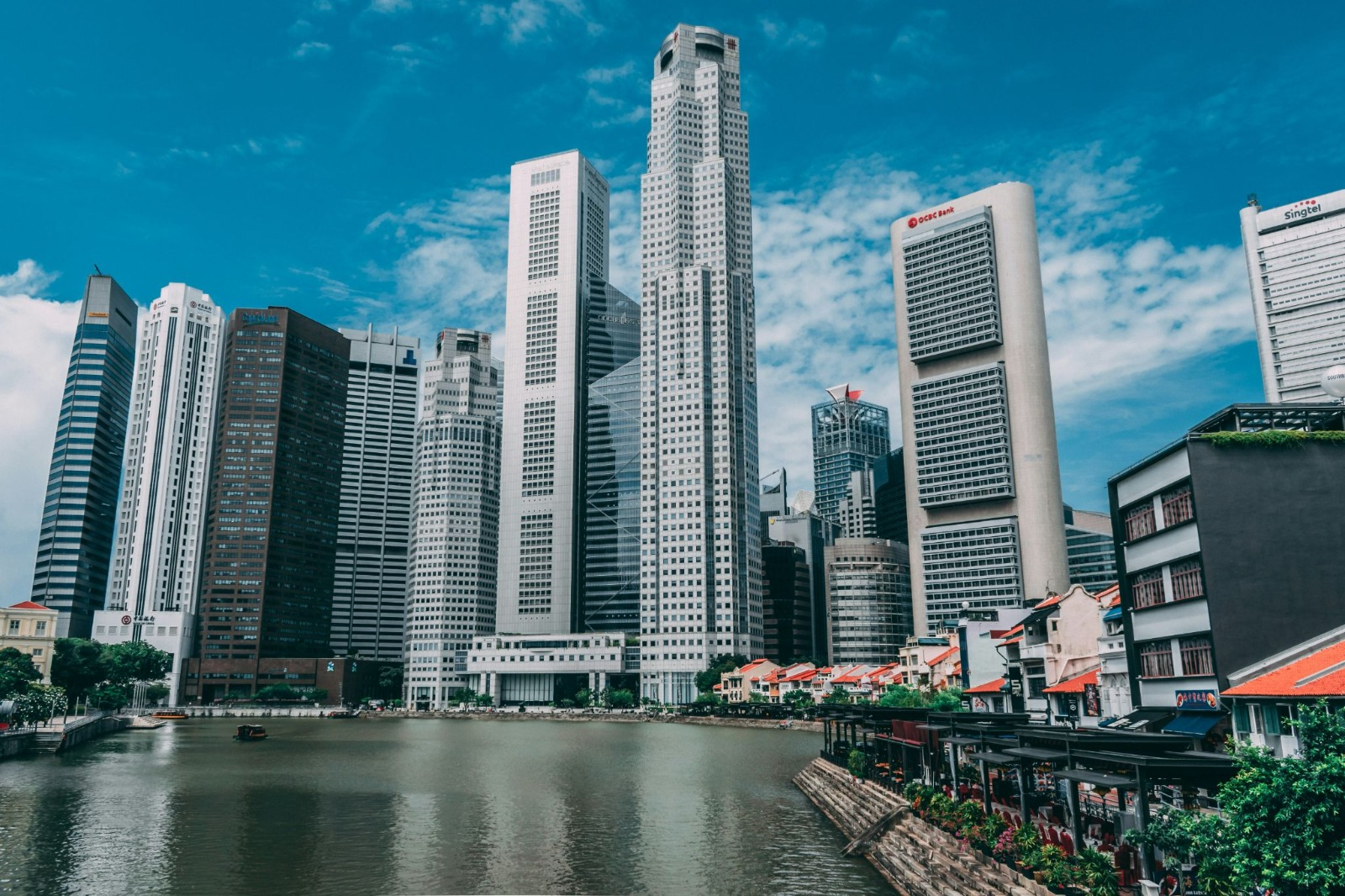
Property investment in Singapore means buying a home to earn rent, a higher selling price later, or both. If you already own a home, the real question is whether to keep it and buy a second one, or sell and upgrade. Your cash, your loan limit, and the taxes you'll pay decide that, not the unit you like.
Below you'll find the property types, the costs and taxes, how much you can borrow, and how to work out your rental yield. It follows the numbers-first approach that Fendy Lee uses with homeowners.
What Is Property Investment in Singapore?
Property investment in Singapore means buying a home to make money from it, either through monthly rent, a higher selling price later, or both. Rental income is what your tenant pays you each month. Capital gain is the profit you make when you sell for more than you paid. Most investors want both, but the two rarely come in equal amounts. A condo near an MRT station may rent out fast but grow slowly. A newer area may grow faster but rent weaker at first.
Your own home is where you live. An investment property is one you rent out or hold for profit, and banks and tax rules treat the two differently. Once you own a home, the next one you buy is usually taxed and financed as a second property, and that costs more upfront.
Should You Invest in a Second Property or Upgrade Your Home?
If you have spare cash and a steady income, a second property can work. If you mainly want a better place to live, upgrading is usually simpler and cheaper. Here's how the three paths compare.
| Path | Main goal | Biggest cost | Fits you if |
|---|---|---|---|
| Buy a second property | Rent and growth | 20% ABSD for a citizen, paid upfront | You have spare cash and loan room |
| Upgrade (an HDB to condo upgrade, for example) | A better home | Higher price and a bigger loan | Your family needs more space or a better location |
| Rightsize | A home that fits your life now | Moving and selling costs | You want lower bills or a better fit |
Many homeowners start thinking about property investment in Singapore only after they've fallen for a unit. That's backwards. Start with your cash and loan room, then pick the unit.
Order matters too. If you buy first, the new home counts as your second property on the day you buy it. ABSD applies. Married couples may claim it back if they sell their first home in time and meet all IRAS conditions. So the choice of sell first or buy first is really cash risk against timing risk. Selling first gives you clear numbers but may leave a housing gap.
Before you view any unit, find out what cash you'd really keep from your current home. Selling an HDB flat is a good example, and our breakdown of selling an HDB MOP flat shows how the loan and CPF refund change the final figure. That number sets your budget for the next property. If you're unsure whether to move up, a rightsizing property agent in Singapore can compare your options using your real numbers.
Best Property Types for Investment in Singapore
Resale and new launch condos are the most common picks. Landed homes and commercial units suit bigger budgets and more experienced buyers.
Resale Condo
A resale condo is ready to rent soon, and you can see the actual unit before you buy. The catch is that older buildings may need repairs, so check the condition and the maintenance fees.
New Launch Condo
A new launch condo offers staged payments and newer facilities. But you won't earn any rent until the project is built, so plan to carry your costs during that time.
Executive Condominium
An executive condominium has a lower entry price than a private condo. It comes with eligibility rules, so check with HDB first.
Landed Home
Landed homes are limited in supply, which is why many investors want them. The buyer pool is small, though, and a sale can take months. They also have tighter buying rules. Read how a landed property agent helps you avoid upgrading traps before you start.
Commercial Property
Shophouses, offices and retail units are commercial property. Loans, taxes and tenant terms differ from homes.
Can Foreigners Buy Real Estate in Singapore?
Yes, foreigners can buy real estate in Singapore, but with strict rules on property types and high stamp duty.
Condo units are open to foreign buyers. HDB flats are not. Landed homes need approval from the Singapore Land Authority (SLA), which approves selected buyers who make a significant economic contribution. Permanent residents are treated like foreigners for landed homes. Cluster houses inside an approved condo development are an exception.
Foreigners also pay 60% ABSD on residential property. Confirm the latest rules with IRAS and SLA before you commit.
Costs of Property Investment in Singapore
Plan for stamp duties, legal fees, and loan costs on top of the price.
Your main upfront costs are:
- Buyer's Stamp Duty (BSD): a sliding scale from 1% to 6% of the price.
- ABSD: an extra duty if you already own a home.
- Legal fees: for the purchase paperwork.
- Valuation and loan fees: charged by the bank.
- Furnishing and repairs: if you plan to rent it out.
ABSD for a Second Property
A Singapore Citizen pays 20% ABSD on a second residential property and 30% on the third and later ones. A PR pays 30% on the second and 35% on the third. A foreigner pays 60%.
Say you buy a S$2 million condo as a second property. A Singapore citizen pays 20% ABSD, which comes to S$400,000. You pay it in cash within 14 days of the Option to Purchase, so have the money ready before you make an offer. These rates have stayed the same since April 2023, but check IRAS for the latest.
Property Taxes and Selling Costs in Singapore
You pay property tax every year, income tax on rent, and possibly Seller's Stamp Duty if you sell early.
Annual property tax
Tax is based on the home's annual value. Rates are progressive. Homes that aren't owner-occupied are taxed at higher rates than your own home. IRAS publishes the current scale.
Tax on rental income
Rent counts as taxable income. You can usually deduct some costs, such as loan interest and property tax. Keep your records and declare the rent each year.
Seller's Stamp Duty
Seller's Stamp Duty applies if you sell within a short holding period after buying. The rate falls the longer you hold. Check IRAS before you plan an early exit. Selling also brings agent commission, legal fees, and loan redemption charges. Commission is negotiable, so agree it in writing.
How Much Cash and Loan Do You Need?
For a second property, expect a smaller bank loan and a bigger cash and CPF payment than for your first home.
- TDSR: MAS caps your total monthly debt payments at 55% of your income. Car loans and credit cards count.
- Loan-to-value: if you still have a loan on your first home, the cap on your second investment property loan is lower. It's about 45% at the time of writing, so check MAS.
- CPF: it can help with the down payment and monthly instalments, but limits apply. Ask the CPF Board for your usable amount.
- Cash upfront: ABSD, BSD, legal fees, and the cash part of the down payment.
Run these numbers before you view a single unit. The free Sell 1 Buy 2 Planner shows what you'd have left after selling and how much you could borrow.
How to Calculate Rental Yield
Rental yield is your annual rent divided by the purchase price, then multiplied by 100.
Here's a made-up example. A S$1,500,000 condo rents for S$4,500 a month or S$54,000 a year. That's a 3.6% gross yield. Costs like maintenance, property tax, repairs, and empty months might take S$12,000, leaving S$42,000, so the net yield is 2.8%. The figures are for illustration only.
Rental yield is the first metric to check when investing in property in Singapore, but it's not the only one. Compare your net yield with your loan interest rate. If the loan costs more, you're counting on price growth to cover the gap.
How to Start Property Investment in Singapore: 7 Steps
Start with your goal and your cash, then work down to the unit. Here's the order that keeps mistakes small.
- Set your goal. Decide if you want monthly rent, price growth, or both. A rent-first buyer looks for strong tenant demand. A growth-first buyer can accept lower rent but must be able to wait.
- Check your finances. List your income, savings, CPF balance, and existing loans. Then add the cash you'll need upfront, such as ABSD, stamp duty, and legal fees.
- Work out your loan limit. Banks use the TDSR rule, which caps your total monthly debts at 55% of your income. Find your limit before you fall for a unit.
- Choose a property type. Match it to your budget and goal. A resale condo can be rented soon. A new launch means waiting for the build.
- Compare areas and projects. Look at rent demand, transport, schools, and nearby supply. Many similar units for rent in one area can pull rents down.
- Run the costs and yield. Add up all taxes and fees, then calculate your net rental yield. If the numbers only work in the best case, walk away.
- Plan your exit. Decide how long you'll hold and whether you'd sell or keep. Check Seller's Stamp Duty if you might sell early.
Conclusion
Property investment in Singapore works best when the plan comes first. Know your cash, your loan limit, and your taxes. Then compare a second property with upgrading and rightsizing. If a unit only works when everything goes right, skip it.
A top-rated real estate agent in Singapore starts with your numbers, not a listing. They will show you your loan limit, the cash you need upfront, and the full cost of holding the property before you view a single unit. Look for an agent who explains each cost clearly and gives you the whole picture, including the risks.
Want to talk through your own numbers? Chat on WhatsApp or call 9388 5825. No pressure, no obligation.
FAQs
1. Is property investment in Singapore worth it?
It can be, if rent and price growth beat your costs. ABSD, loan interest and tax can eat the gains, so run the numbers first.
2. How much money do I need to start?
There's no single figure. For a second property, plan for ABSD, stamp duty, legal fees, and a large down payment on a smaller loan.
3. What is the ABSD on a second property?
It's 20% for a Singapore Citizen, 30% for a PR, and 60% for a foreigner. Check IRAS for the latest rates.
4. Can I use CPF for an investment property?
Yes, CPF can go toward the down payment and instalments, within limits. Ask the CPF Board how much you can use.
5. What is a good rental yield in Singapore?
There's no fixed answer. Compare your net yield with your loan interest rate. If the loan costs more, you depend on price growth.
6. Can foreigners buy real estate in Singapore?
Yes, they can buy condos but not HDB flats. Landed homes need SLA approval, and foreigners pay 60% ABSD.
7. How much is property tax in Singapore?
It's based on the home's annual value, with progressive rates. Homes that aren't owner-occupied pay more. Check IRAS for the current scale.
8. Is a new launch or resale condo better?
New launches offer staged payments but give no rent until they're built. Resales can be rented sooner. Your timeline decides.
9. How much can I borrow for an investment property?
TDSR caps your debt payments at 55% of income. A second loan also has a lower loan-to-value cap, about 45% for a citizen with an existing loan at the time of writing.
10. How do I choose a property agent for investment in Singapore?
Check their CEA registration, ask for your numbers first, and get fees in writing. Pick one who will say "not yet" when that's the honest answer.